


Parasites are microorganisms that penetrate the human body, affect internal organs and systems and lead to various clinical manifestations.Parasitic disease is not the only disease.This phrase implies a separate group of pathologies caused by unicellular and multicellular pathogenic microorganisms.An unpleasant "neighborhood" can be temporary or permanent.The life cycle of worms has certain characteristics;in some situations, in order to form a full-fledged individual, it is necessary to change three hosts.
Symptoms and causes of parasitic diseases
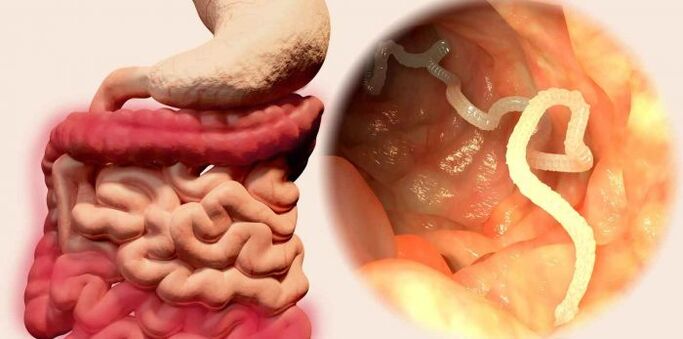
The main causative agents of parasitic pathologies include worms, which lead to helminthiasis infection.Helminthiasis, depending on the type of helminth, is divided as follows:
- Trematodes.This group of diseases includes infection with flukes.For example, damage to internal organs by lung fluke, liver fluke, cat fluke, etc.;
- Nematodes are a parasitic infection caused by round helminths.The source of infection is a sick person.Pathogens include roundworms, pinworms, Toxocara, Trichinella, whipworms;
- Cestodoses develop as a result of tapeworm parasitism.Among them, the most common helminths are beef and pork tapeworms, dwarf tapeworms, broad tapeworms, alveococci and echinococci.
In addition to helminthiasis, parasitic diseases can also be protozoa - infection with protozoan parasites - Giardia, the causative agent of malaria, toxoplasma, trichomonas.Also ectoparasites - these include lice (body, head and pubic lice), bed bugs and ticks.Dermatoses are caused by the parasitic activity of certain insects.
For your information, the clinical picture against the background of parasite infection is often blurred - in most cases there are no symptoms or they manifest themselves acutely and violently, which indicates severe intoxication.
Parasitic diseases of humans have the following symptoms:
- Allergic manifestations are caused by the proliferation of parasites in the body, whereby their waste products and toxic substances enter the human circulatory system, which leads to intoxication.Symptoms: red spots on the skin, urticaria, itching, rash, lichen-type plaques, etc.
- Increase in body temperature.In some patients, against the background of severe helminthic infestation, a febrile condition is observed.Usually the temperature varies from 38 to 40 degrees, sometimes it remains for a long time within subfebrile values.An increase in temperature indicates the acute phase of the disease.
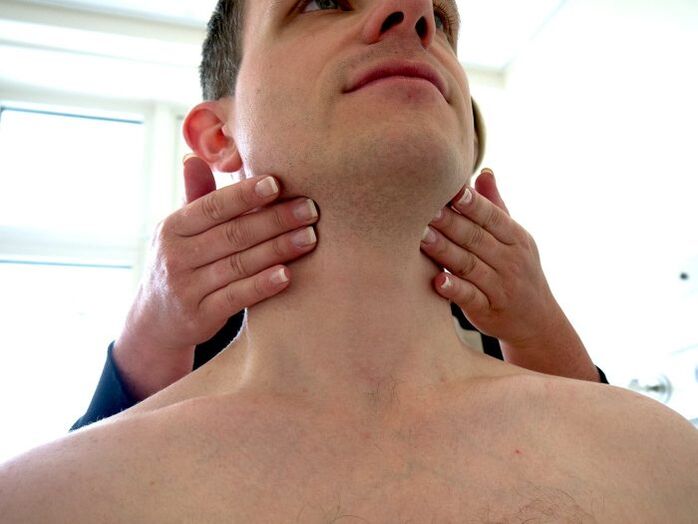
- Lymphadenitis is a common symptom of human parasitic diseases.This condition is manifested by enlargement and inflammation of the lymph nodes.They can be turned on one by one or all at once.In addition, the patient feels headache, decreased appetite and general weakness.In most cases, those lymph nodes closest to the site of invasion become inflamed.
- Pain in muscles and joints is an echo of immune reactions in the human body.The immune system perceives helminth larvae as foreign objects and begins to attack them.Pain in muscles and joints occurs due to tissue damage by helminths.
- Pulmonary syndrome manifests itself as a non-productive cough.The patient complains of shortness of breath due to lack of physical activity, chest pain.Ascariasis often occurs with sputum mixed with blood.
- The swelling can be localized or spread throughout the body.Angioedema is particularly dangerous.In the absence of medical assistance, the probability of death is high.
- When infected with helminths, abdominal syndrome is often detected.This symptom includes alternating constipation and diarrhea, increased gas formation, flatulence and digestive tract disorders.
- Painful sensations in the abdomen of various types.Some patients complain of constant pain, others of occasional pain.For some, the pain is pronounced and intense, while others describe it as a dull pain syndrome.
- In the chronic course of helminthiasis, intoxication occurs, followed by severe weakness, significant deterioration of general health, frequent respiratory and colds, and sudden weight loss.
The clinical picture of a parasitic disease is always different.Symptoms are based on the localization of the helminth, the specific type of pathogen and the age of the patient.And also on the state of the immune system, the degree of dysfunction of internal organs and other aspects.
List of parasitic diseases
Parasitic diseases are divided into protozoa - malaria, giardiasis, toxoplasmosis, amebiasis, balantidiasis - the most common;for helminthosis, acarosis (scabies) and dermatoses.In medical practice, helminthic infestations are most often encountered.
Parasitic infections:
- African trypanosomiasis.The infection occurs due to the penetration of the bacterium Trypanosoma brucei.Route of transmission: tsetse fly bite.The main clinical manifestations include fever, headaches, myalgia;
- Amebiasis develops due to the penetration of parasites into the human body together with food and water.Pathogens: amoeba or dysenteric amoeba;
- Ascariasis.Parasites - roundworms.The infection is caused by the consumption of contaminated food products;
- Babesiosis is caused by helminths that live in the bloodstream.The infection is caused by a tick bite;
- Chagas disease (transmitted by the bite of blood-sucking insects);
- Trichinosis is an acute or chronic parasitic disease caused by nematodes;
- Teniarhynchosis is the parasitism of beef tapeworm.The invasive parasite primarily affects the gastrointestinal tract.Symptoms: severe stomach pain, allergic reactions, headache, general weakness.The incubation period varies from 2 to several years;
- Taeniasis.The causative agent is pork tapeworm.Parasitic infection is full of numerous complications due to the passage of helminth segments, up to irreversible brain damage;
- Opisthorchiasis (helminths - cat fluke).The worm "lives" in the liver, bile ducts, pancreas and gall bladder.Infection occurs due to consumption of raw or poorly cooked fish;
- Clonorchiasis.The reason is the reproduction of the Chinese fluke in the body.In addition to humans, helminths affect cats, dogs and pigs;
- Enterobiasis.The causative agent is pinworms.Parasitic disease is often diagnosed in childhood.Treatment has its own difficulties, because in 99% of cases, secondary self-infection occurs.
Worth knowing: pathologies caused by ectoparasites - pediculosis, scabies, cochleiomyiasis, demodicosis, etc.
In fact, the list of parasitic diseases can be continued for a long time, because there are many parasites that can infect the human body.The most common diseases are given as an example.
Why are parasites dangerous?

In most clinical cases, residents of large cities are infected with common helminths, round and tapeworms.Pathogenic microorganisms lead to a decrease in immunity and absorb nutrients from their host.But "banal" roundworms and pinworms are not as scary as it might seem at first glance.
People who live in tropical countries and tourists who go on vacation to South America, Australia or Africa face really "terrible" helminths.
The most dangerous parasites:
- Filariae lead to clogging of blood vessels, due to which movement coordination is disturbed and internal organs can fail.
- Schistosomes are a special type of helminth that lives in human blood.They lead to serious damage to the functionality of the liver, gastrointestinal tract and bladder.
These parasites are found in countries with a tropical climate;in our reality, pathologies are diagnosed relatively rarely.Science knows more than 200 types of parasites that can lead to the development of acute and chronic pathologies:
- Chronic giardiasis leads to liver dysfunction, cirrhosis develops;
- Trichomonas can cause cancer, myocardial infarction, diabetes mellitus, multiple sclerosis;
- Roundworms with prolonged parasitism significantly worsen the condition of the gastrointestinal tract and affect the lungs;
- Trichinella.The development of the parasite leads to severe pain and convulsions;
- Toxoplasma during pregnancy disturbs the intrauterine development of the child up to mental retardation.
Important: everyone without exception can get infected;hundreds of thousands of helminth larvae are waiting for every person: in water, soil, on tree leaves, in public transport, clinic, store, on food, etc.Therefore, it is necessary to adhere to all hygiene measures and to tell children as early as possible about the importance of observing basic hygiene rules.
The penetration of parasite larvae into the body happens imperceptibly.In the early stages of infection, there are no symptoms;when the disease becomes chronic, the symptoms are more pronounced.If characteristic signs are detected, you need to be treated - otherwise there is a high probability of serious complications that you will have to deal with throughout your life.